
Cannabis as Sacrament: Why Less Can Be More
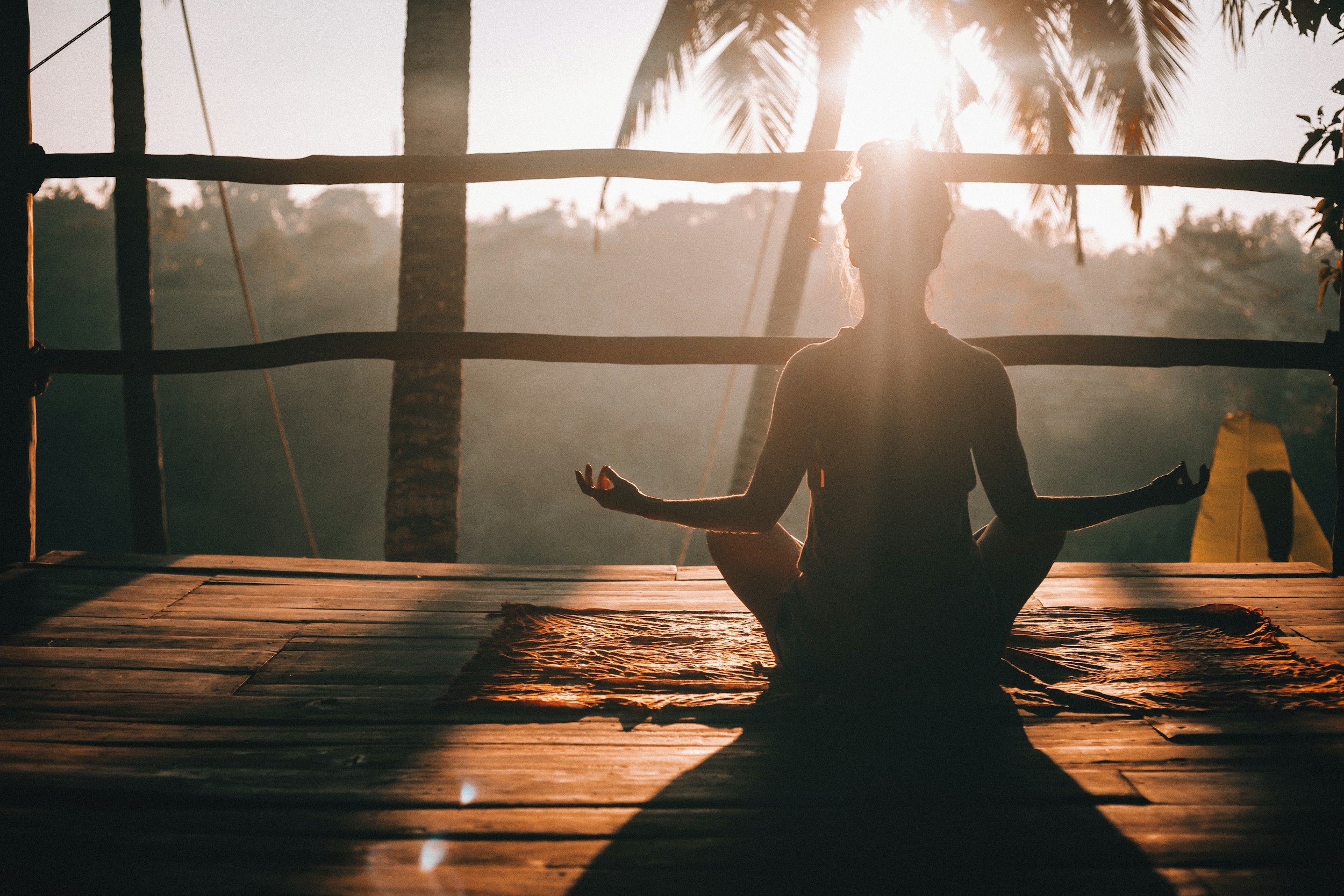
For generations, cannabis has been defined by extremes. It has been feared as a dangerous drug, celebrated as a recreational escape, or marketed as a cure-all. Criminalized. Commercialized. Romanticized. Lost somewhere between prohibition and profit is a quieter possibility: What if cannabis is best understood not as a product to consume, but as a sacrament to enter into relationship with? This perspective changes not only how we think about cannabis, but how we use it.
First, “What is a sacrament?” A sacrament is something tangible that opens us to something greater than ourselves. Across cultures and spiritual traditions, ordinary elements of nature have become sacred through intentional use. Bread, wine, water, fire, incense, cacao, mushrooms, tobacco, and countless other plant medicines have all served as bridges between the physical and the spiritual. Calling cannabis a sacrament doesn't require a particular religion. It invites us to approach the plant with respect, intention, and reciprocity rather than habit or excess.
1. Your Body Was Built For This Conversation
One of the most fascinating discoveries in modern medicine is that every human being has an internal communication network called the Endocannabinoid System (ECS). Scientists discovered the ECS while studying how THC works in the body. Instead of finding receptors built only for cannabis, they found something more profound: our bodies make their own cannabinoid-like compounds, called endocannabinoids. These interact with this system daily.
The ECS helps regulate dozens of essential functions, including its primary role in maintaining the body's balance within its internal systems. When the ECS is functioning well, the body is better equipped to adapt to stress, recover from injury, regulate emotions, and maintain equilibrium. Rather than "taking over" the body, cannabinoids from cannabis temporarily interact with a system that already exists. The plant speaks a biochemical language our bodies already understand.
2. Why Microdosing Makes So Much Sense
Modern cannabis culture often celebrates potency. Products containing 30% THC or hundreds of milligrams of edibles have become common. Yet emerging research and clinical experience suggest that more isn't always better. Cannabinoids often follow what's known as a biphasic dose-response. In simple terms, smaller amounts and larger amounts can produce very different effects. A low dose may ease anxiety, while a much higher dose may increase it. A small amount may sharpen awareness and improve function, while too much may impair concentration and coordination.
Microdosing embraces this principle. Rather than seeking intoxication, a microdose uses the smallest effective amount of cannabis to create subtle therapeutic effects while allowing you to remain fully present in your daily life. For many people, that means reduced pain, calmer nerves, greater emotional resilience, improved creativity, or deeper connection without feeling overwhelmingly "high."
3. The Nervous System Doesn't Need to Be Overwhelmed to Heal
Many of us live with chronically activated nervous systems: constant notifications, work deadlines, financial pressure, family responsibilities, political uncertainty, trauma, grief, etc. Our stress response was designed for short-term danger, not nonstop stimulation. Over time, this constant activation can contribute to chronic pain, insomnia, anxiety, digestive issues, inflammation, and emotional exhaustion.
When approached thoughtfully, cannabis may help interrupt that cycle. Instead of forcing relaxation, it can create a window of opportunity, a moment when the nervous system feels safe enough to soften. But this is only the beginning of healing. The real work still comes through sleep, movement, nutrition, therapy, mindfulness, meaningful relationships, and self-reflection. Cannabis doesn't replace those practices. It may simply make them more accessible.
4. Intention Changes the Experience
Two people can consume the exact same cannabis in completely different ways. One reaches for it automatically after a stressful day, barely noticing they're doing it. The other pauses. They take three slow breaths. They offer gratitude. They ask: "What do I need today?"
Neuroscience tells us that expectation, attention, and context influence how we experience pain, stress, and even medication. Ritual isn't superstition, it changes how we engage with our own minds and bodies. Intention changes the experience. When cannabis is paired with mindfulness, journaling, movement, meditation, creativity, or time in nature, it becomes part of a larger healing relationship rather than a disconnected habit.
5. Reciprocity Matters
If cannabis is a sacrament, then it deserves reciprocity. That means supporting ethical cultivators. Learning about cannabinoids and terpenes instead of chasing the highest THC percentage. Respecting your own tolerance instead of constantly increasing it. Taking tolerance breaks when needed. Listening when the plant seems to say, "Enough for today."
The healthiest relationship with cannabis is one of dialogue, not dependence.
6. The Greatest Gift
The most remarkable thing cannabis has ever done for me wasn't eliminating pain or calming anxiety, although it has helped with both. Its greatest gift has been slowing me down enough to hear myself again, to notice the stories my body carries. To become curious instead of critical. To rediscover joy in ordinary moments, and remember that healing doesn't always arrive as a dramatic breakthrough. Sometimes it arrives as a deeper breath, a softer conversation, or a good night's sleep. These moments may seem small, but healing has always been built from small things, repeated with love.
This is why I call cannabis a sacrament. Not because it is magical. Not because it is perfect. But because, when approached with reverence, education, and intention, it has the capacity to remind us of something we too easily forget:
Our bodies are intelligent.
Our nervous systems can heal.
Our relationship with the natural world is itself a form of medicine.
And sometimes the most profound transformation begins not with more, but with just enough.
Amy Olson
The Cannabis High Priestess