
Cannabis Is One of the Most Remarkable Plants on Earth
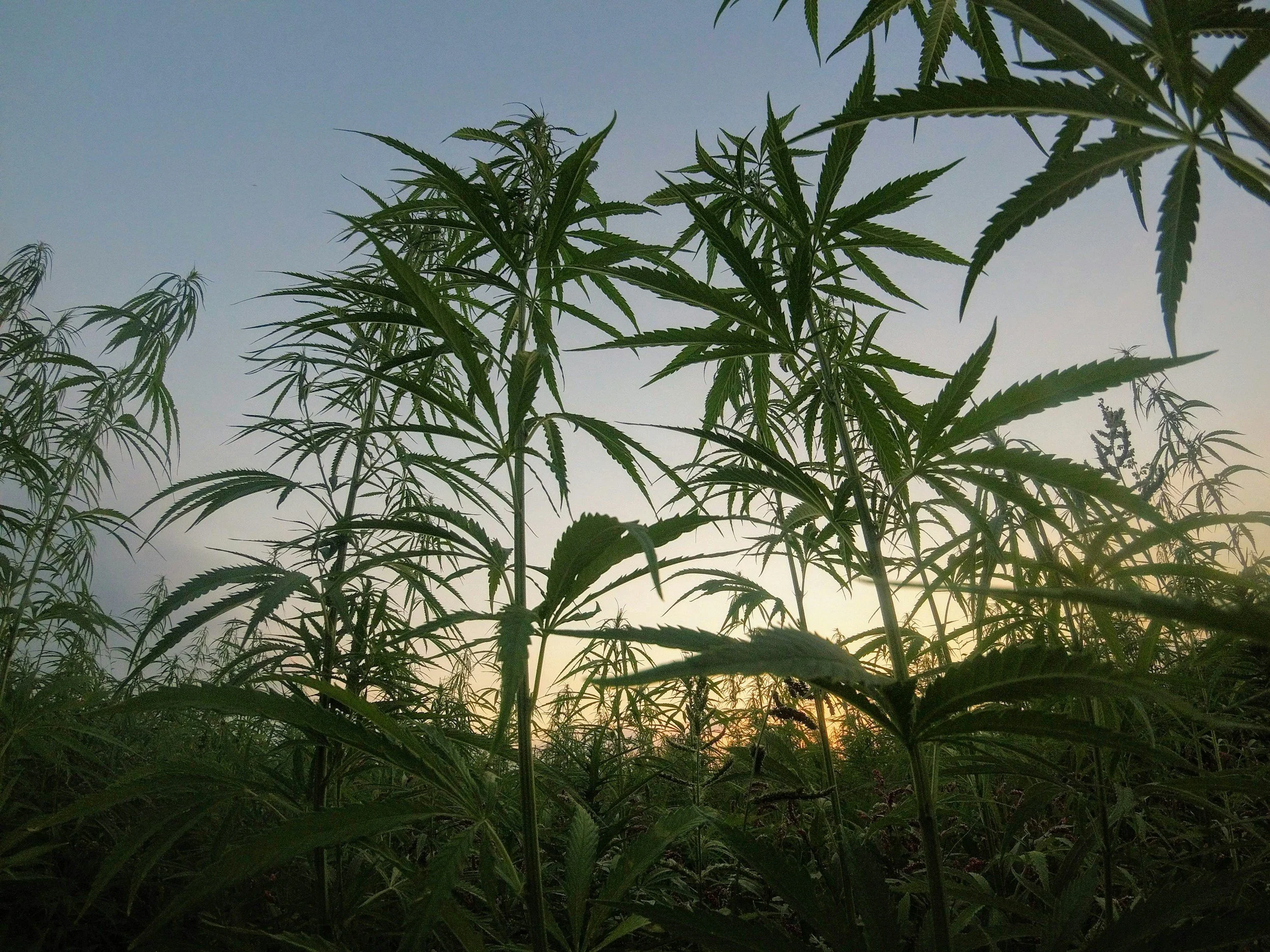
There are very few plants that can claim to feed us, clothe us, heal us, inspire us, support our ecosystems, challenge our assumptions about medicine, and alter consciousness.
Cannabis can.
As a cannabis coach and the voice behind Cannabis High Priestess, I often speak about cannabis as a sacred plant. Some people hear language like that and assume I'm speaking metaphorically. I'm not. I genuinely believe cannabis is one of the most extraordinary plants humanity has ever encountered. The more I learn about how astonishingly versatile cannabis is, the more I love it. It is a medicinal plant. A wellness tool. An agricultural resource. A spiritual ally. A social justice issue. An economic engine. A scientific frontier. And perhaps most importantly, it is a challenge to our assumptions about health, healing, and human consciousness.
One of the most fascinating discoveries in modern medicine is the endocannabinoid system (ECS). The ECS is a regulatory network found throughout the human body. It plays a role in pain perception, mood, sleep, appetite, memory, stress response, inflammation, immune function, and overall balance. Scientists didn't discover the ECS first and then go looking for cannabis compounds. They discovered the ECS because they were studying cannabis. Think about that for a moment. Research into this plant led scientists to uncover an entire biological system that had been hiding in plain sight. That alone should have transformed the conversation around cannabis. Instead, decades of stigma delayed serious research and public education.
We are still catching up.
Most people think cannabis is synonymous with THC. It isn't. Cannabis contains hundreds of active compounds. THC is just one. CBD is another. Then there are dozens of lesser-known cannabinoids, along with terpenes and flavonoids that contribute to the plant's effects. This complexity is one reason cannabis can affect different people in different ways. It is not a single medicine. It is a vast botanical pharmacy. Two cultivars can contain similar THC levels and produce completely different experiences because their overall chemical profiles differ. This is why education matters. The future of cannabis isn't simply getting higher. It's becoming more informed.
Pain management receives much of the attention in cannabis discussions, and for good reason. Many people find relief from chronic pain, neuropathy, arthritis, migraines, muscle tension, and inflammatory conditions. But pain is only one piece of the story. People also use cannabis to support:
Sleep
Anxiety management
Stress reduction
Appetite regulation
Nausea relief
Recovery from exercise
Creative thinking
Menopause symptoms
PTSD symptom management
End-of-life comfort care
For many individuals, cannabis becomes part of a broader wellness strategy rather than a stand-alone solution. The most successful outcomes often occur when cannabis is combined with other healthy practices such as therapy, movement, nutrition, mindfulness, community support, and restorative rest.
No medicine is risk-free, including cannabis. However, one of the most compelling arguments in its favor is relative safety. Cannabis has a remarkably low toxicity profile compared with many substances that society readily accepts. Alcohol contributes to violence, accidents, liver disease, and thousands of preventable deaths each year. Opioids carry substantial overdose risks and have fueled a devastating public health crisis. Meanwhile, many adults have found that cannabis can help them reduce or eliminate their reliance on more harmful substances. This doesn't mean cannabis is right for everyone. It means it deserves to be evaluated honestly rather than through the lens of decades-old propaganda.
While cannabis can absolutely be used recreationally, I believe one of its most overlooked qualities is its ability to facilitate self-awareness. Many people report that cannabis helps them notice patterns they had previously ignored. It can create space between a person and their automatic reactions. It can encourage introspection. It can deepen appreciation for music, nature, creativity, spirituality, and connection. Used intentionally, cannabis can become a tool for reflection rather than escape. The question shifts from "How high can I get?" to "What can I learn from this experience?"
That distinction changes everything.
Perhaps the most remarkable thing about cannabis is not the plant itself. It's that despite nearly a century of prohibition, misinformation, criminalization, and stigma, cannabis has continued to prove its value. Research continues. Medical programs continue to expand. Patients continue to report benefits. Scientists continue to uncover new possibilities. The story of cannabis is not merely about a plant. It is about curiosity overcoming fear. It is about evidence overcoming stigma. It is about reclaiming knowledge that was suppressed for generations.
I teach about cannabis because I believe people deserve accurate information. I advocate for cannabis because I have witnessed its benefits firsthand. I create rituals around cannabis because intentionality matters. And I speak about cannabis as sacred because anything capable of reducing suffering, fostering self-awareness, supporting healing, and reconnecting people to their own bodies deserves our respect.
You don't have to worship cannabis. You don't have to use cannabis. But I do believe we owe this remarkable plant something it has rarely received throughout modern history:
An open mind.
A willingness to learn.
And the humility to acknowledge that nature still has much to teach us.
Amy Olson
The Cannabis High Priestess