
The Harvest Is Not the Ending
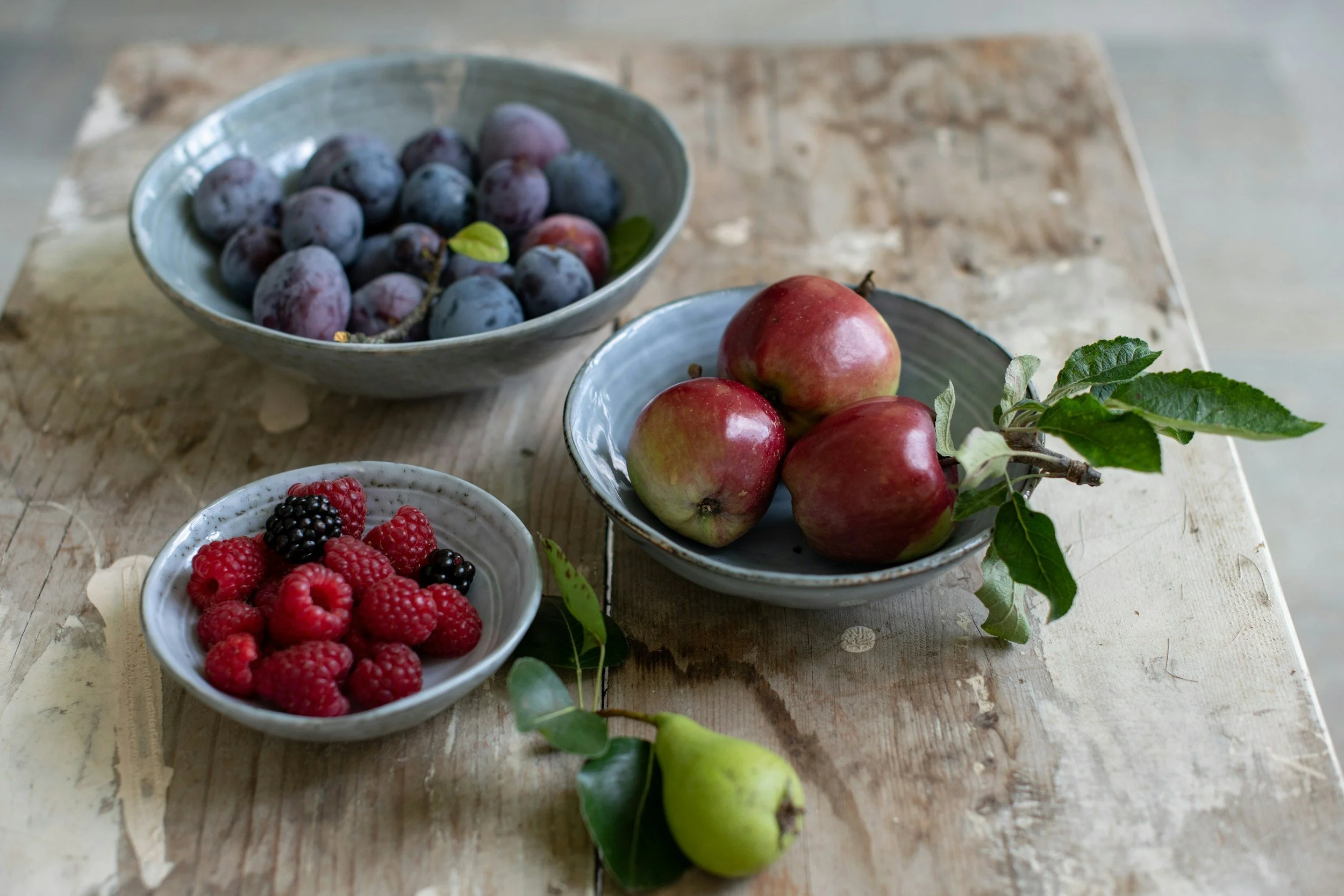
We’re in that particular moment when we can feel two seasons existing simultaneously. It is still summer: hot days, cold drinks, and long evenings. We are still being invited into the fullness of the body; to frolic, soak up the sun, and enjoy the ripeness of nature. But something is beginning to transform. The days are getting shorter, plants hang heavy with fruit and begin to turn their energy elsewhere. Harvest is coming.
I’ve been thinking about this transition through the cycle of the cannabis plant. It begins with possibility: a tiny seed bursts open, allowing its roots and shoots to emerge. This tiny seedling develops, grows stronger, and reaches toward the light. It is building the infrastructure it will need to eventually flower. It isn’t producing medicine yet; it’s becoming capable of doing so. There’s something very humbling about this stage. Too often, we want the flower before we’ve developed roots. We want the harvest before we’ve allowed ourselves to grow.
Eventually, the plant shifts its energy toward producing flowers. This is where the medicine production begins. Within these flowers, tiny mushroom-shaped structures called trichomes develop. They produce resin that contains the cannabinoids, terpenes, and flavonoids that create the experience we associate with cannabis. As they develop, the trichomes progress from clear to opaque, and finally to amber. This change alone isn’t a perfect indicator of maturity, but it can help indicate when cannabis is ready to harvest. The grower also considers the plant’s genetics, flowering time, intended use, and even lab testing to decide: is it time?
This question feels particularly relevant to being human. How do we know when something has ripened? When a relationship has reached its natural conclusion. When an old identity has served its purpose. When we have grown enough to stop trying to become something else and simply inhabit ourselves as we are.
And here’s the thing: the harvest isn’t the ending. It’s the beginning of another kind of transformation. The flower may be cut from the plant, but it isn’t the finished product yet. Fresh cannabis buds contain moisture that needs to be removed to protect them from mold. After drying, it needs to cure to stabilize the bud and develop its aroma and flavor. Only then can we smoke the flower or transform it into a tincture, salve, or edible. The flower's final quality depends not only on growing conditions but also on what happens after harvest.
I find that profoundly beautiful, because we are not so different. We live, we love, we lose, we learn, we create, we discover, we change. And then we expect ourselves to understand it all immediately. Maybe experience needs to undergo a curing process. Integration happens when we stop expecting to turn our experiences into wisdom immediately and instead let them settle into us.
Not everything we grow is meant to be harvested at once. Some things are still becoming, some things are beginning to ripen, and some things have reached their peak. The question isn’t simply: What have you grown? It’s also: What has ripened? What are you ready to harvest? And what happens after the harvest?
We don’t need to rush autumn. There’s still summer left. Time to swim, run barefoot, and enjoy summer’s bounty. We don’t need to prematurely turn toward endings just because we can feel them approaching. The invitation right now is to stand in the garden of your life, look around, and take notice. The seasons will change in their own time. For now, let yourself be here and enjoy the fullness of this season of your life. When the time comes, gather your harvest, let it rest while it finishes its transformation, and then ask yourself: What will I make of this?