
Microdosing Cannabis: Subtle Medicine, Profound Shifts
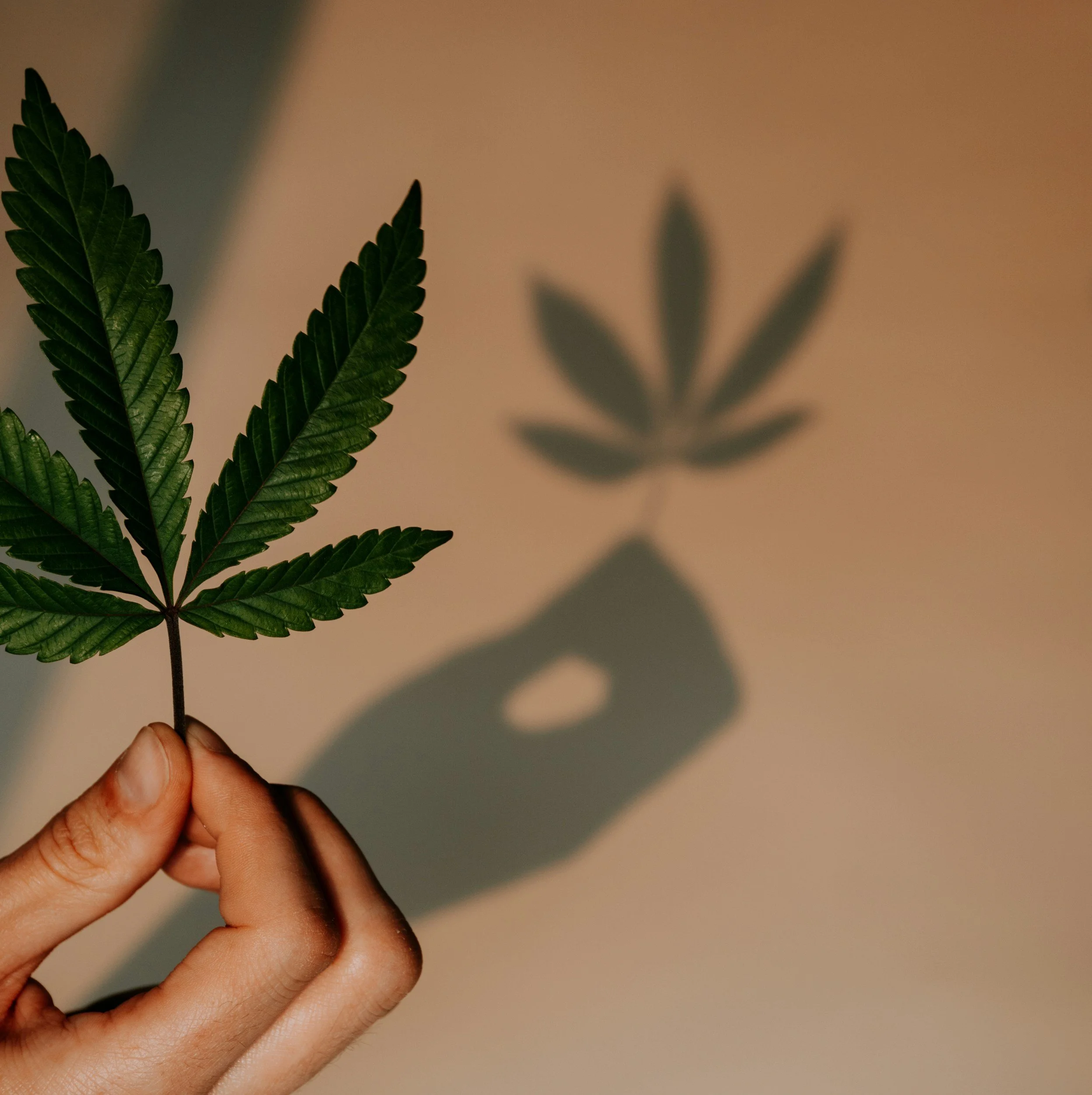
A cannabis microdose is small enough not to disrupt your ability to function, think clearly, or stay present in your body, yet large enough to gently influence your nervous system.
You’re not aiming for euphoria, but responsiveness. The goal is a subtle softening, a slight spaciousness that gives you more room between stimulus and reaction.
If you’re waiting for a microdose to announce itself loudly, you’ll miss it. Microdosing often shows up later:
You realize you didn’t snap at someone
You move through a hard conversation with more grace
Your body feels less clenched by the end of the day
This medicine works quietly, in the margins, in the spaces between moments. These subtle shifts are easy to overlook or dismiss. Microdosing cannabis isn’t about chasing sensation. It’s about cultivating attunement, and when done well, it does not feel dramatic, which is the point.
Here’s why less cannabis often does more:
Cannabis is biphasic, meaning its effects change depending on dose. At lower doses, cannabinoids tend to support nervous system regulation, emotional flexibility, and sensory awareness. At higher doses, those same compounds can tip into overstimulation, mental fog, or anxiety.
Microdosing keeps the conversation gentle enough for your system to listen. Instead of overriding the body, the dose collaborates with it. Microdosing cannabis isn’t about altering consciousness. It’s about stabilizing it. Microdosing asks a different devotion than recreational use. It asks you to:
Pay attention
Track patterns instead of peaks
Measure success by the quality of presence, not the intensity of experience
This is not about getting high. It’s about becoming more available to your life.
Less spectacle, more intimacy.
Amy Olson
The Cannabis High Priestess